
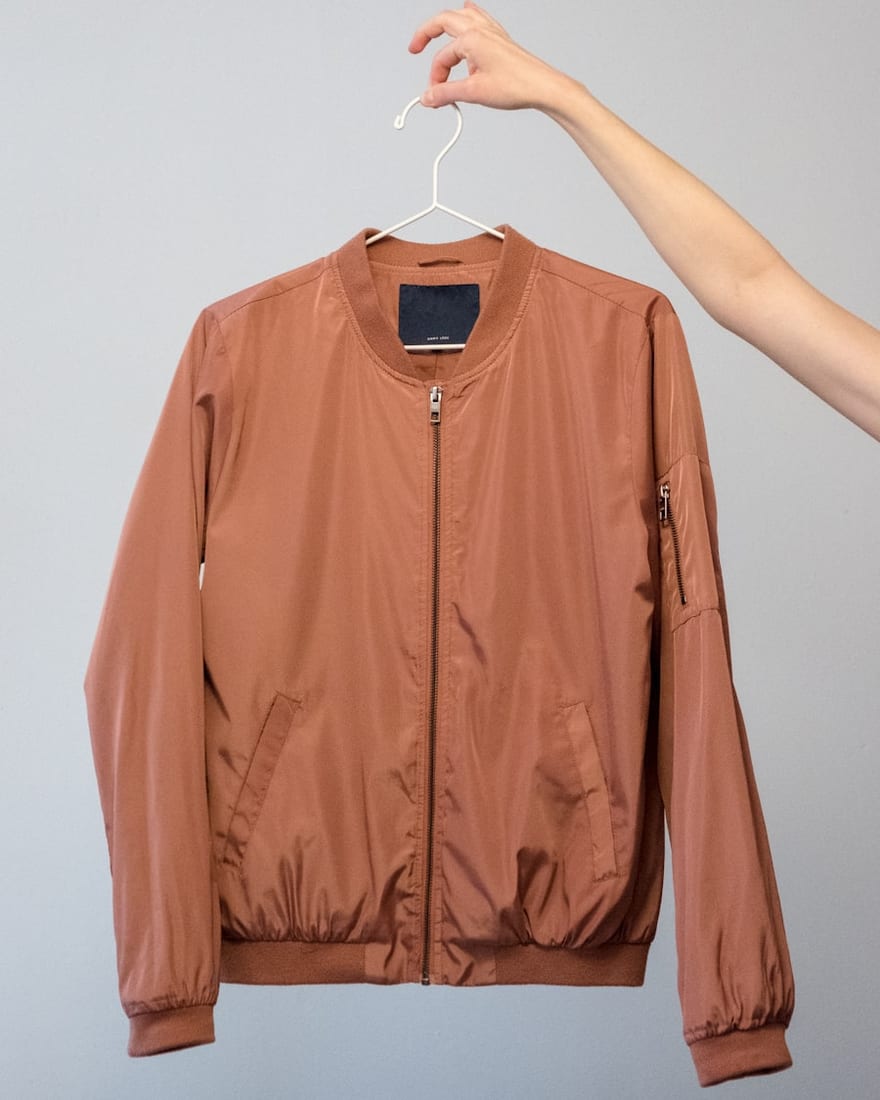
 Quick addArden Linen Overshirt$124.003 colours
eBay ecommerce store development
eBay store design services built around how people find and buy
Your eBay Store should feel organised before a buyer ever opens a listing. We plan the eBay storefront, store categories, listing templates, item specifics, eBay branding and business policies inside your own seller account, so your marketplace presence is easier to browse and easier to manage.
- Store categories buyers can browse
- Consistent listing templates and item specifics
- Seller Hub set up inside your own account

Built around how eBay works
Your eBay storefront starts with the listing
eBay controls marketplace search, the cart and checkout. Your job is to make the product easy to find, easy to understand and easy to trust. That starts with the listing itself: the category, title, item specifics, images, description and policies a buyer sees before deciding to purchase.
What helps a buyer move forward
-
Category placement
Put each product where buyers expect to find it, then keep that structure consistent.
-
Listing titles
Use clear product language that helps the right item stand out in relevant search results.
-
Item specifics
Treat them as structured product data because eBay filters and category refinements depend on them.
-
Photography
Keep the image style consistent so products look like they belong to the same store.
-
Store categories
Give buyers who visit your eBay Store a simple way to browse the rest of the catalogue.
-
Price and format
Choose fixed price, auction or offers based on the product and the selling plan.
-
Shipping and returns
Set business policies once, then apply them consistently across the catalogue.
-
Seller performance
Promise dispatch times and service levels your team can actually meet.
The buying journey
What a buyer needs at each step
A buyer may spend only a few seconds at each stage. We make those seconds easier by keeping product information, policies and presentation consistent from the search result through checkout.
-
01
Search results
Your listing appears beside other sellers offering similar products. At this point, the buyer mainly sees the title, main image, price, shipping information and seller reputation. The listing has to earn the click quickly. Correct category placement and complete item specifics also help the product appear in the searches and filters that make sense for it.
-
02
Listing
Once the buyer opens the listing, the questions get more specific. Condition, size, compatibility, delivery time, returns and product details should be easy to find without digging through a wall of text. We build a repeatable listing template around those questions, then use the same standard across the catalogue.
-
03
Cart
The cart is where your shipping and business policies get tested in combination. If a buyer adds several products, the charges, delivery estimates and return terms should still make sense. We set those rules at account level where possible, so the experience stays consistent instead of changing from one listing to the next.
-
04
Checkout
eBay owns the checkout experience, so there is little value in pretending otherwise. Our work focuses on everything you can control before the buyer gets there, plus the dispatch, tracking and customer service that follow. That is where your store presentation and seller performance meet.

eBay store setup service
eBay Store Setup Service Built Around Your Seller Hub
A new eBay Store needs more than a subscription and a banner. We set up the account structure, storefront categories, business policies, listing standards and working routines inside Seller Hub, so the store is easier to run once real orders start coming in.

Strategy meets execution
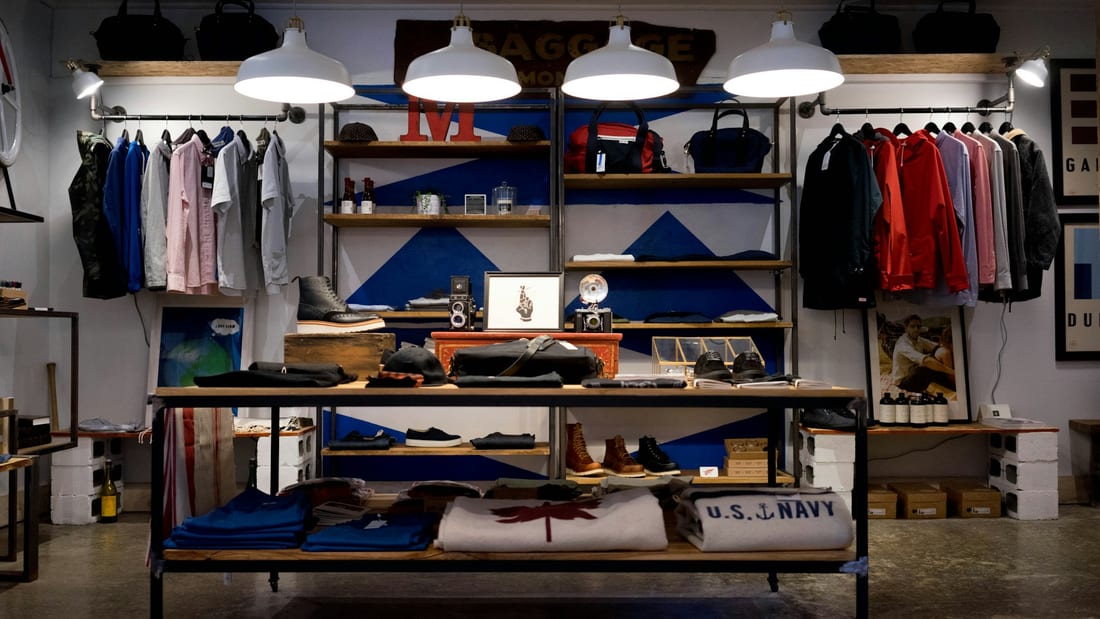
On eBay you do not own the checkout. You own everything that decides whether anyone reaches it.
What you stock, how it is priced, how fast it goes out of the door and what happens when it comes back are all decisions the listings have to carry. We build the store structure, the listing standard and the business policies around those answers — and keep the dispatch and service commitments to what the operation can genuinely hold, because on a marketplace those are scored.
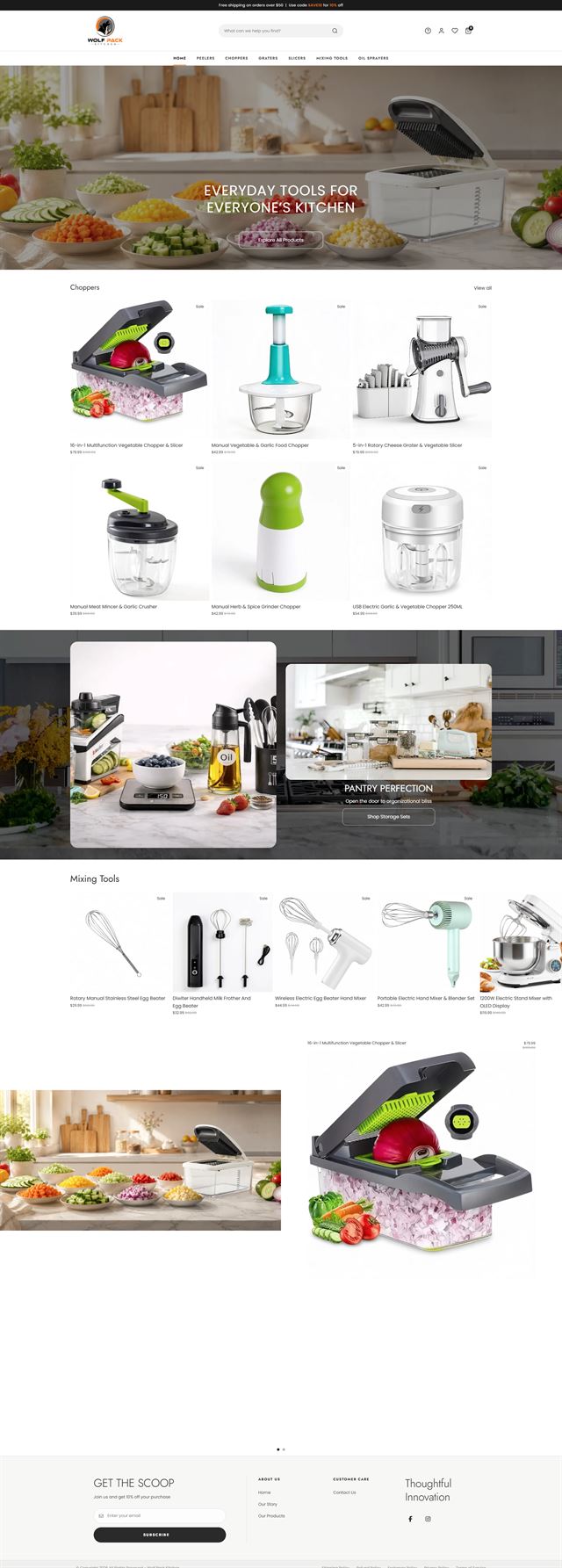
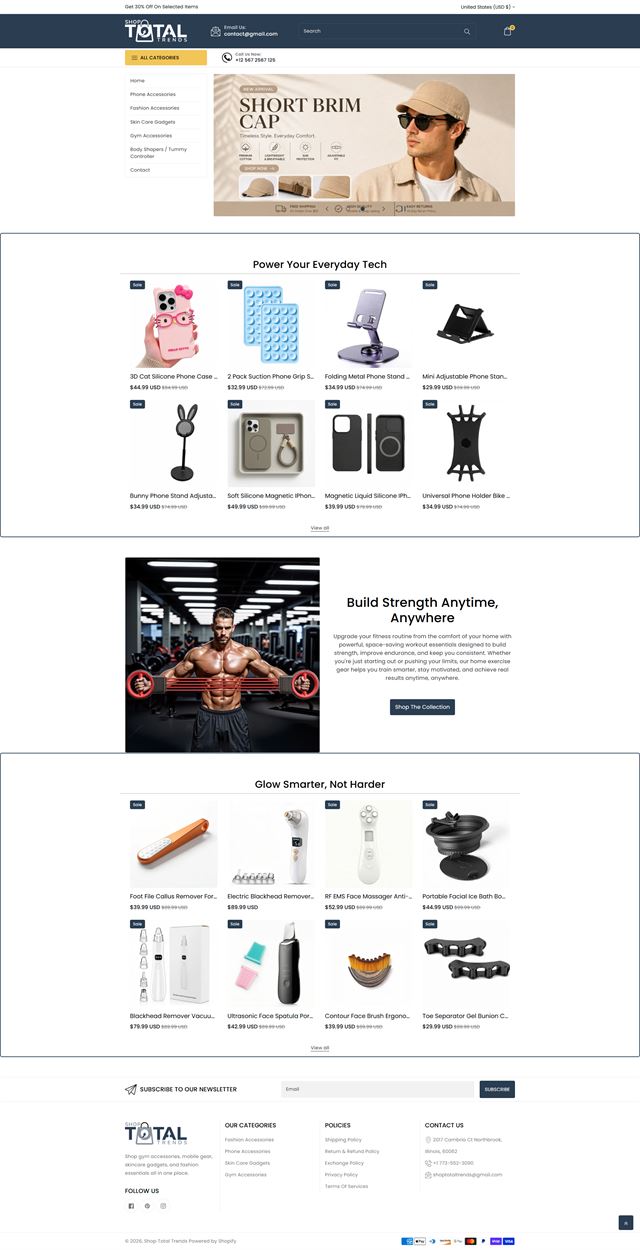
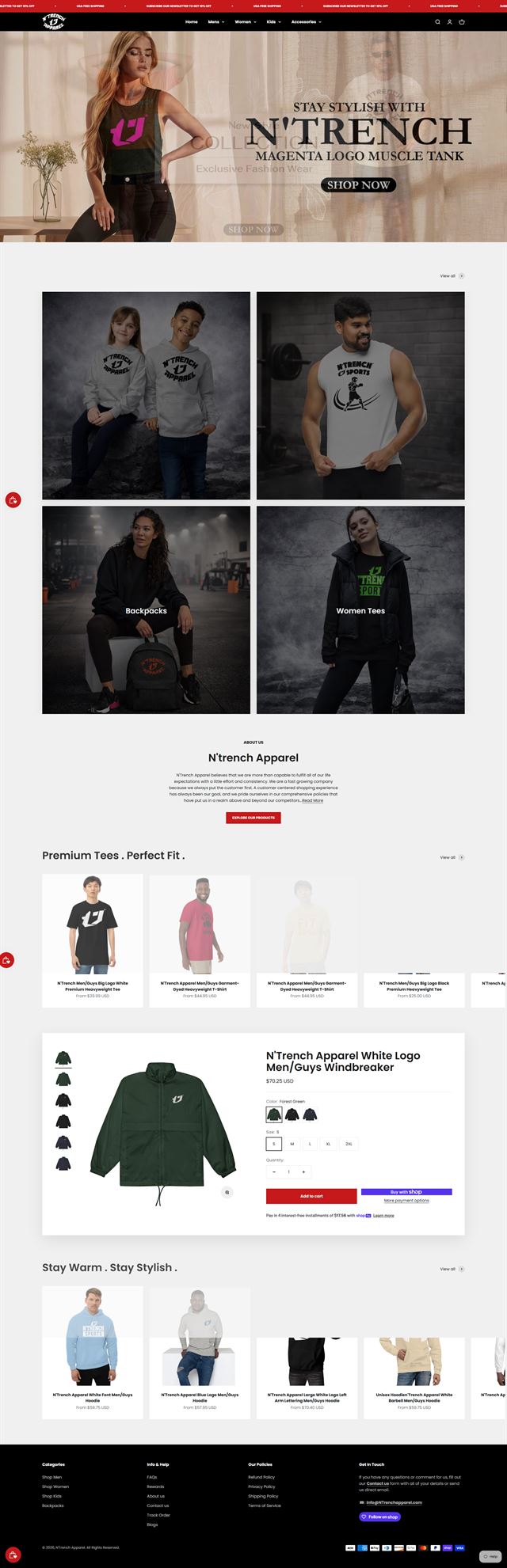
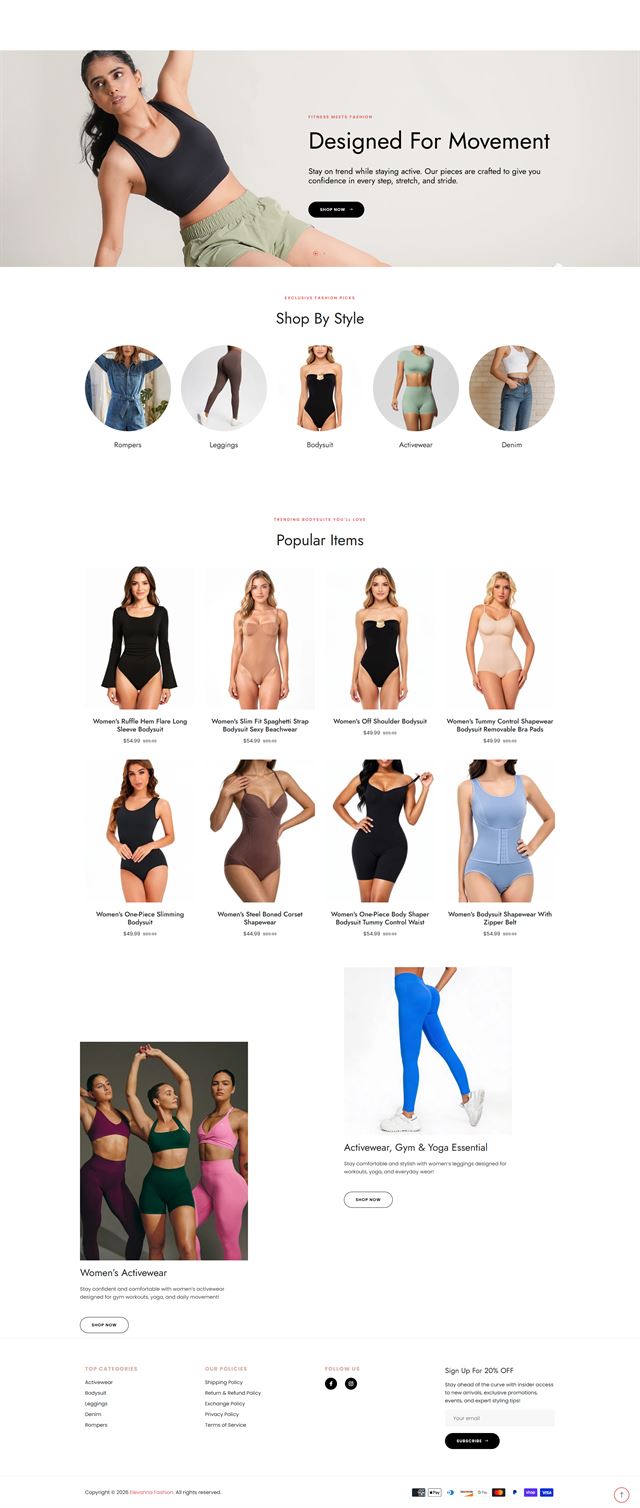
How to open an eBay Store
How to open an eBay Store without building it backwards
The quickest way to waste time on eBay is to start listing before the catalogue, policies and account structure are settled. We make the important decisions first. That gives the eBay Store a cleaner starting point and makes future listings much easier to add.
Start with what you sell
We look at the number of products, variations, brands, sizes and other attributes that matter to buyers. That tells us how the eBay categories, store categories and item specifics should be organised. If you already have product data, we use it as the starting point and identify what is missing before upload begins.
Discuss your store
Decide what each listing has to answer
Different products need different proof. A clothing buyer may care about measurements and material. A parts buyer may need compatibility and model numbers. We decide which information belongs near the top of the listing, then build the template around the questions your buyers are most likely to ask.
Discuss your store Build an eBay storefront that is easy to browse
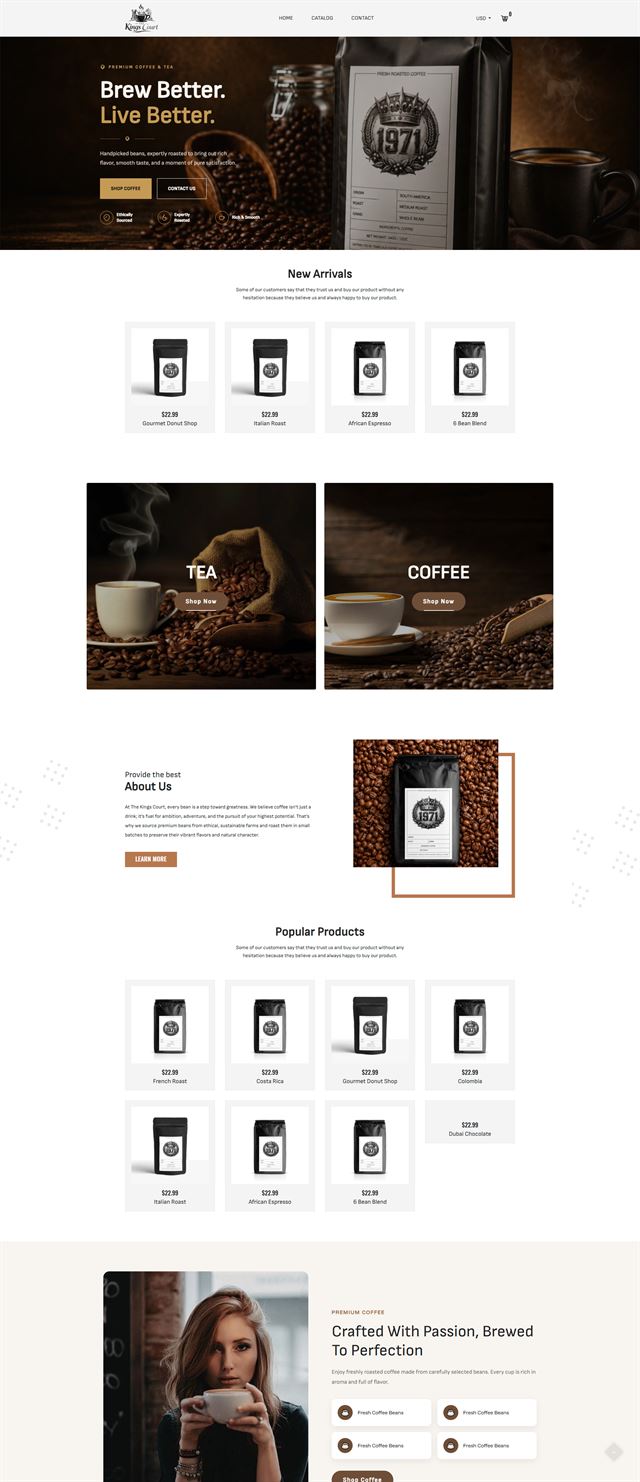
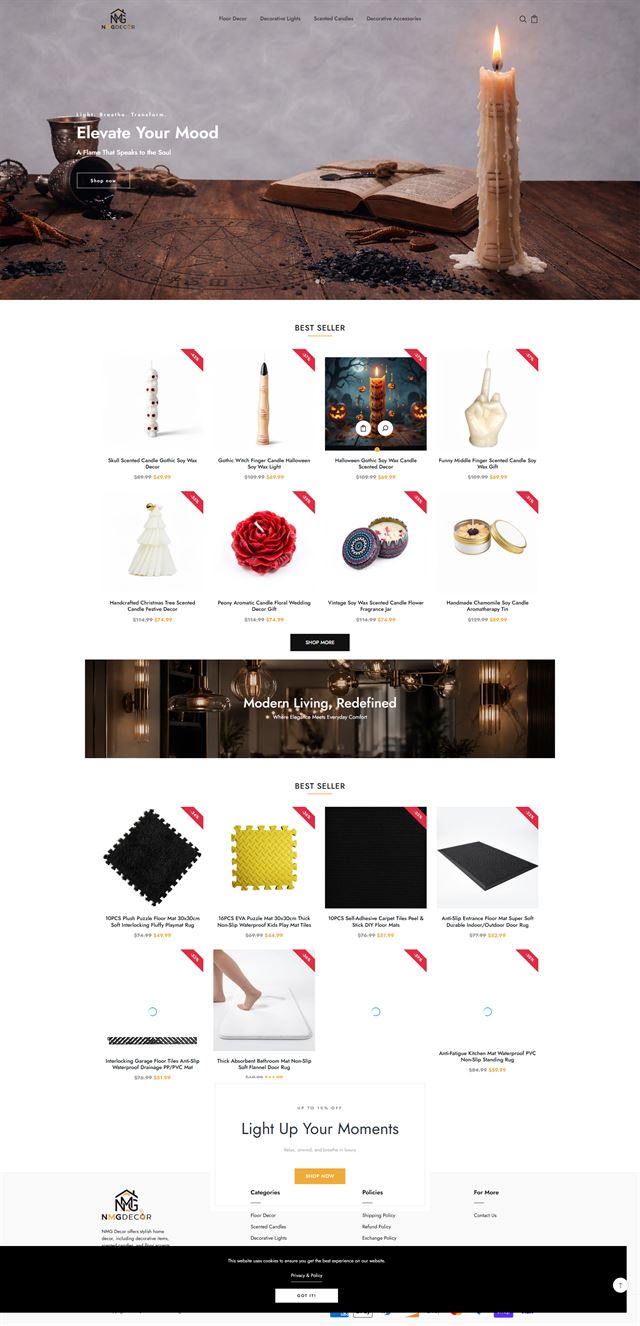
Most shoppers enter through a listing, but the eBay storefront still matters when they want to see what else you sell. We organise store categories around the range buyers understand, with room for the catalogue to grow without adding a new top-level category every time a product does not fit neatly.
Discuss your store Set up policies, stock and fulfilment
Shipping, returns, payment settings, inventory and dispatch rules need to match the way your business actually works. If the same stock is sold on another marketplace or website, we also plan how quantities stay in sync. Seller Hub should reflect the operation, not force the operation to work around the account.
Discuss your store Keep the eBay Store in your account
The eBay Store is built inside your seller account from the beginning. We use the permissions you provide and keep access limited to the work. Nothing needs to be moved from an agency account later, which matters because feedback, performance history and seller standing stay with the account that earned them.
Discuss your store Ecommerce development across leading platforms and marketplaces
We provide ecommerce store development across leading platforms and marketplaces, including Shopify, WooCommerce, WordPress, BigCommerce, Magento, Wix, Squarespace, Webflow, OpenCart, Drupal, Joomla, eBay, Etsy and TikTok Shop. Whether you need a new store, a redesign, a migration or help improving an existing storefront, we shape the structure, product experience and integrations around the way each platform works so customers can browse and buy with less friction while your team has a store that is practical to manage.
-
 Shopify
Store development
Shopify
Store development
-
 WooCommerce
Store development
WooCommerce
Store development
-
 WordPress
Ecommerce development
WordPress
Ecommerce development
-
 BigCommerce
Store development
BigCommerce
Store development
-
 Magento
Store development
Magento
Store development
-
 Wix
Ecommerce development
Wix
Ecommerce development
-
 Squarespace
Ecommerce development
Squarespace
Ecommerce development
-
 Webflow
Ecommerce development
Webflow
Ecommerce development
-
 OpenCart
Store development
OpenCart
Store development
-
 Drupal
Ecommerce development
Drupal
Ecommerce development
-
 Joomla
Ecommerce development
Joomla
Ecommerce development
-
 eBay
You are here
eBay
You are here
-
 Etsy
Shop development
Etsy
Shop development
-
 TikTok Shop
Shop development
TikTok Shop
Shop development
How we build
From store plan to live eBay storefront
The work follows a clear order so every decision has a purpose and every handoff is easy to check.
-
01
Discovery
We review the catalogue, buyer profile, margins, shipping rules and how your team handles orders.
-
02
Catalogue structure
We map eBay categories, store categories, variations and item specifics before bulk listing begins.
-
03
eBay branding
We set the storefront look, image rules and listing template so the account feels consistent without fighting eBay’s layout.
-
04
Store and template build
We build the eBay storefront, listing templates and category structure inside the seller account, using eBay’s permitted layout and content rules.
-
05
Seller Hub setup
We configure business policies, listing workflows, inventory connections and the day-to-day tools your team needs.
-
06
Review
We check listings on desktop and mobile, then review titles, specifics, images, price, shipping and returns against the agreed standard.
-
07
Launch
The eBay Store goes live with its categories, templates and policies in place. We watch the first round of buyer questions and operational issues.
-
08
Refine
Real orders show what needs attention. We use that feedback to improve the store instead of guessing before launch.
Questions
Common questions about eBay store design services
Straight answers for sellers planning a new store or improving an existing eBay marketplace presence.
-
We plan the storefront, store categories, eBay branding, listing templates, item specifics and account policies around your catalogue. The exact scope depends on how much product data already exists and how much of the account needs to be rebuilt.
-
Yes. We can help structure a new eBay Store, organise Seller Hub, create the first listing standards and set business policies before the catalogue goes live. We also help decide what information and access we need from you before setup begins.
-
Yes. We design listing templates within eBay’s current content rules, with a clear structure for product information, images, item specifics, shipping and returns. The goal is consistency and readability, especially on mobile, rather than trying to make a listing behave like a separate website.
-
Yes. We can review the current storefront, categories, titles, item specifics, templates and policies, then focus the rebuild on the parts causing the most friction. Sometimes the design needs attention. Often the bigger issue is inconsistent product data or account structure.
-
Yes. Seller Hub is where we organise the account work that supports the storefront, including listings, business policies, inventory routines and the parts of the workflow your team will use after launch.
-
Yes. We can map existing product data into eBay categories, variations and item specifics, then identify anything that needs to be cleaned up before listing. The amount of manual work depends on the source data and how consistent it is.
-
Yes. We set account-level policies around the shipping, returns and service commitments your operation can actually support. Keeping those rules consistent makes the catalogue easier to manage and avoids contradictory terms across listings.
-
We can prepare the account and listings so they are in good shape before paid promotion starts. Advertising spend is separate from the store build, so we treat it as its own decision rather than hiding it inside the development scope.
-
Yes. The store is built in your seller account. Your listings, feedback, performance history and customer relationships stay with that account, and the access you give us can be removed at any time.
-
Timing depends on catalogue size, the quality of the product data and photography, the number of categories and the amount of template work required. Once we review the account and scope, we can give you a realistic schedule.
Ready to sell on eBay?
Build an eBay Store that is easier to find, browse and run
Whether you are opening your first eBay Store or cleaning up an account that has grown over time, we can organise the storefront, standardise the listings and set up Seller Hub around the way your business actually works.
No pressure on the call. We will explain what we would build, what we need from you and whether the service is a sensible fit.